

The Growing World of Cannabis: Uses, Benefits, and Trends
The conversation around cannabis has shifted dramatically over the past decade. While some associate it with illicit substances like crystallized methamphetamine, cannabis itself is gaining recognition for its diverse applications in medicine, wellness, and consumer goods. As legalization expands and public perception evolves, understanding this complex plant is more important than ever. This guide explores the modern landscape of cannabis, from its therapeutic benefits to the economic trends shaping its future.
We will look into the key uses of cannabis, uncover its potential health advantages, and analyze the market forces driving its global growth.
Understanding Cannabis: Beyond the Basics
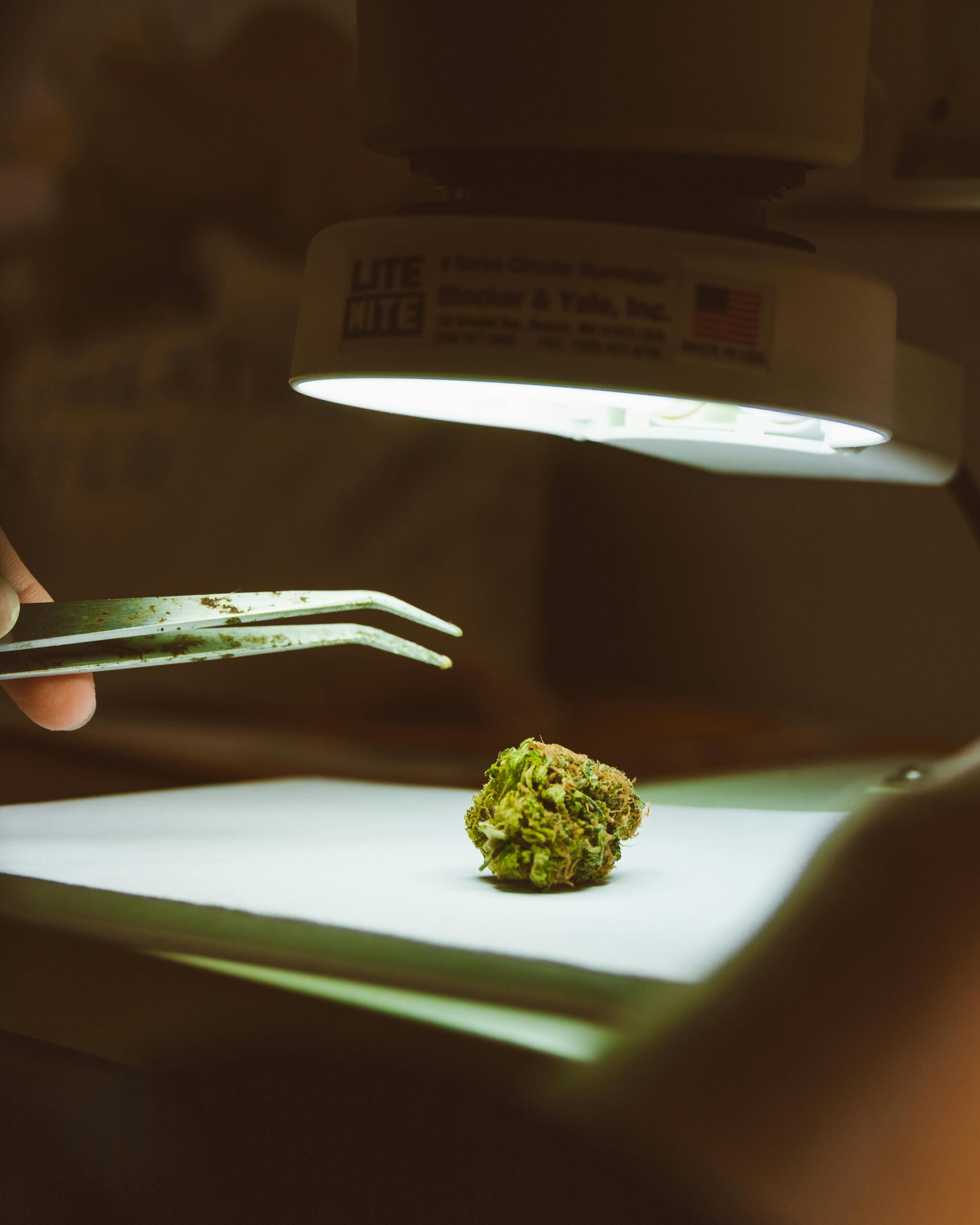
Cannabis is a plant genus that produces a variety of compounds, the most well-known being cannabinoids. The two most famous cannabinoids are Tetrahydrocannabinol (THC) and Cannabidiol (CBD).
- THC (Tetrahydrocannabinol): This is the primary psychoactive compound in cannabis. It’s responsible for the “high” sensation many people associate with the plant. THC interacts with the brain’s cannabinoid receptors, affecting pleasure, memory, thinking, and coordination.
- CBD (Cannabidiol): Unlike THC, CBD is not psychoactive. It does not produce a “high.” Instead, it is celebrated for its potential therapeutic properties. Research suggests it may help with anxiety, inflammation, pain, and seizures without the mind-altering effects of THC.
Strains of cannabis are often categorized as Sativa, Indica, or Hybrid, each believed to offer different effects. Sativas are typically associated with energizing, uplifting effects, while Indicas are known for being more relaxing and sedative. Hybrids are bred to combine characteristics from both.
How Cannabis Interacts with the Body
The human body has an Endocannabinoid System (ECS), a complex cell-signaling network discovered in the early 1990s. The ECS plays a role in regulating a range of functions and processes, including sleep, mood, appetite, and memory.
Cannabinoids like THC and CBD interact with this system by binding to its receptors (CB1 and CB2). This interaction is what produces the various effects of cannabis, whether they are recreational or medicinal. The discovery of the ECS has been crucial in understanding how cannabis can influence health and well-being.
The Expanding Uses and Benefits of Cannabis
Once relegated to the fringes, cannabis is now being explored for a wide range of applications. From medical treatments to general wellness, its versatility is a key driver of its popularity.
Medicinal and Therapeutic Applications
One of the most significant areas of growth is in medicine. Clinical research and anecdotal evidence point to cannabis as a viable treatment or complementary therapy for numerous conditions.
- Chronic Pain Management: Cannabis is widely used to manage chronic pain stemming from conditions like arthritis, fibromyalgia, and multiple sclerosis. It offers an alternative to traditional opioid painkillers, which carry a high risk of addiction.
- Mental Health Support: CBD, in particular, has gained attention for its potential to alleviate symptoms of anxiety and depression. Some studies suggest it can help regulate mood and reduce stress without the side effects associated with some pharmaceutical drugs.
- Neurological and Seizure Disorders: Perhaps one of the most compelling medical uses is in treating certain forms of epilepsy. The FDA has approved a CBD-based drug, Epidiolex, for treating seizures associated with two rare and severe forms of childhood epilepsy.
- Nausea and Appetite Stimulation: THC has long been known to reduce nausea and stimulate appetite. This makes it particularly useful for patients undergoing chemotherapy or those with conditions that cause wasting syndrome, such as HIV/AIDS.
Wellness and Lifestyle Integration
Beyond specific medical conditions, many people are incorporating cannabis into their daily wellness routines.
- Sleep Aid: Strains high in certain terpenes and cannabinoids, particularly Indica varieties, are often used to promote relaxation and improve sleep quality.
- Stress Reduction: Low doses of THC or products rich in CBD can help users unwind and de-stress after a long day, providing a sense of calm and well-being.
- Enhanced Creativity and Focus: Some users, particularly those who prefer Sativa strains, report increased creativity, focus, and motivation, making it a tool for artistic or brainstorming sessions.
Market Trends Shaping the Cannabis Industry
The global cannabis market is experiencing explosive growth, driven by legalization, technological innovation, and changing consumer attitudes. Several key trends are defining this dynamic industry.
The Rise of Legalization
The most significant driver of the cannabis market is the steady march of legalization. As more countries and states move to decriminalize or legalize cannabis for medical or recreational use, the industry expands. This legal framework not only opens up new markets but also encourages investment, research, and product development. Legalization brings regulation, which helps ensure product safety and quality for consumers.
Product Diversification and Innovation
The days of cannabis being available only as a smokable flower are long gone. Today’s market is filled with a diverse array of products designed to meet different consumer needs and preferences.
- Edibles: Gummies, chocolates, beverages, and baked goods offer a smoke-free way to consume cannabis. They provide a more controlled, long-lasting effect, appealing to both recreational and medical users.
- Topicals: Creams, lotions, and balms infused with cannabinoids are applied directly to the skin. These are popular for localized pain relief, inflammation, and skin conditions.
- Tinctures and Oils: These liquid extracts provide a method for precise dosing. They can be taken sublingually (under the tongue) for fast absorption or added to food and drinks.
- Vapes: Vaporizers heat cannabis flower or concentrate to a temperature that releases cannabinoids without combustion, offering a smoother, less harsh experience than smoking.
A Focus on Research and Data
With legalization comes the opportunity for legitimate scientific research. Universities, pharmaceutical companies, and private labs are now studying the cannabis plant more deeply than ever before. This research is focused on identifying the therapeutic potential of lesser-known cannabinoids, understanding the synergistic effects of different plant compounds (the “entourage effect”), and developing targeted formulations for specific health conditions. Data-driven insights are helping cultivators grow better plants and manufacturers create more effective products.
The Future of the Cannabis Industry
The cannabis industry is still in its early stages, with tremendous potential for future growth. As stigma continues to fade and scientific understanding deepens, we can expect to see cannabis become further integrated into mainstream society. From new medical breakthroughs to innovative consumer products, the evolution of this plant and its market is a trend worth watching. The journey from a prohibited substance to a regulated commodity is reshaping economies and offering new avenues for health and wellness around the globe.