

Kava vs Kratom: Benefits, Risks, and Key Differences
Kava and kratom are two popular herbal products used by people searching for natural ways to manage stress, low mood, and discomfort. As more consumers compare their potential benefits and risks, detailed Kava vs Kratom guides have become an important resource for making informed choices. This article explains what each herb is, how they work, possible side effects, and key safety considerations.
Disclaimer: This article is for informational and SEO purposes only and is not medical advice. Always speak with a qualified healthcare provider before using kava, kratom, or any other supplement.
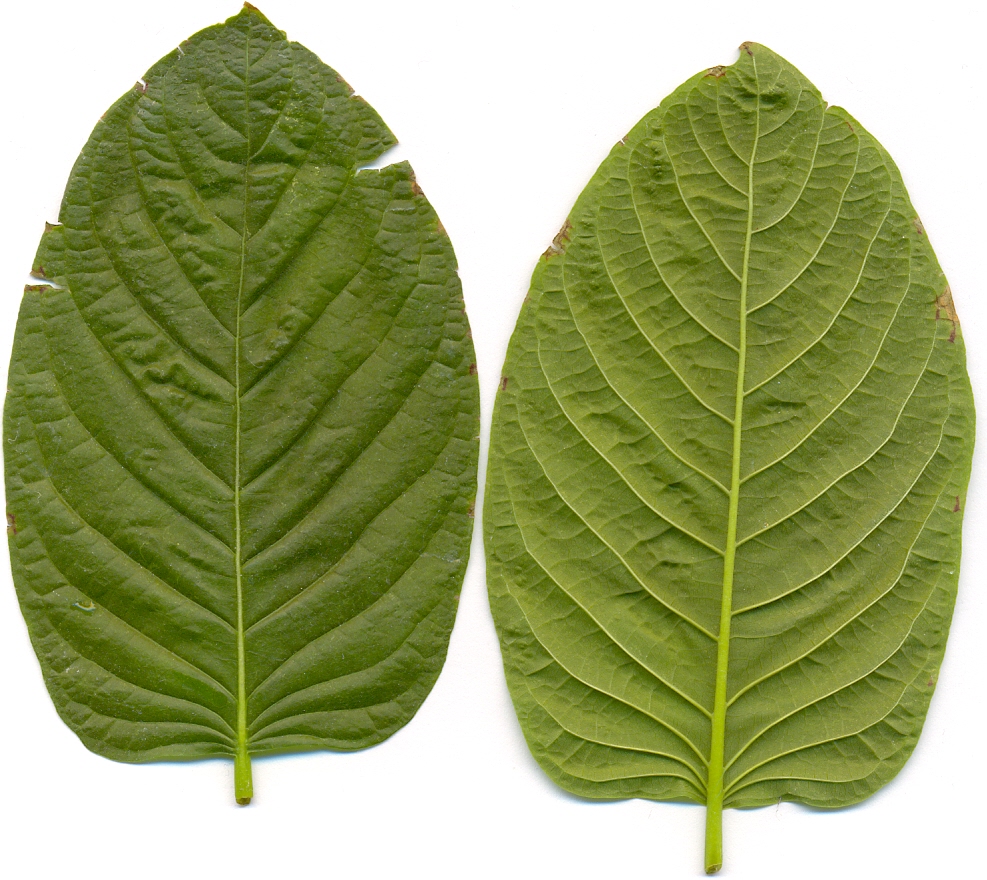
What Is Kava?
Kava (Piper methysticum) is a plant native to the South Pacific. Traditionally, its root has been ground and mixed with water to create a ceremonial drink that promotes relaxation, calmness, and social connection.
Today, kava is commonly sold as capsules, tinctures, and drink mixes. Many users take it to:
- Promote relaxation after a stressful day
- Support a calmer mood
- Help with falling asleep more easily
Researchers believe that compounds in kava, called kavalactones, interact with brain receptors related to anxiety and muscle tension, which may explain its calming effect.
What Is Kratom?
Kratom (Mitragyna speciosa) is a tropical tree native to Southeast Asia. Its leaves have traditionally been chewed or brewed as tea for their energizing and pain-relieving properties.
In modern markets, kratom is often sold as powders, capsules, and extracts. Users commonly describe different effects depending on dose, such as:
- Low doses: more energy, alertness, and focus
- Moderate doses: mild euphoria and mood enhancement
- High doses: more sedating, opioid-like effects
The main active compounds, mitragynine and 7-hydroxymitragynine, interact with opioid receptors in the brain, which is why kratom can have both stimulating and opioid-like properties.
Kava vs Kratom: How They Compare
1. Mechanism of Action
Kava: Primarily affects GABA and other neurotransmitter systems linked to anxiety and relaxation. Its effects are typically calming, with mild muscle relaxation and reduced nervous tension.
Kratom: Acts mainly on opioid receptors and may also influence other brain pathways. Depending on the strain and dose, users can experience stimulation, mood elevation, or strong sedative effects.
2. Common Uses
Kava is usually used for:
- Short-term relief of mild stress and nervousness
- Supporting a sense of calm and relaxation
- Helping with occasional sleep difficulties
Kratom is often used for:
- Perceived pain relief or discomfort management
- Boosting energy and focus in low to moderate doses
- Self-managed withdrawal or mood support (often without medical supervision)
3. Onset and Duration of Effects
Kava: Effects typically appear within 20–60 minutes and may last a few hours. Many people use it in the evening to unwind or before social situations.
Kratom: Effects can begin within 15–45 minutes and often last several hours, especially at higher doses or with concentrated extracts.
Side Effects and Potential Risks
Kava Side Effects
While many people tolerate kava at moderate doses, it can still cause side effects, such as:
- Drowsiness and reduced coordination
- Dizziness or headache
- Stomach discomfort
- Dry or flaky skin with heavy, long-term use
The most serious concern linked to kava is potential liver toxicity. In rare cases, severe liver damage has been reported, especially when combined with other substances that affect the liver or when used in high doses for extended periods.
Kratom Side Effects
Kratom can also cause a wide range of side effects, including:
- Nausea, vomiting, and constipation
- Increased heart rate and blood pressure
- Dizziness, confusion, or agitation
- Liver problems in some users
- Dependence and withdrawal symptoms with regular use
Because kratom interacts with opioid receptors, repeated use can lead to tolerance, dependence, and withdrawal. Abruptly stopping heavy or long-term use may result in symptoms like irritability, insomnia, muscle aches, and mood changes.
Legal and Regulatory Considerations
The legal status of kava and kratom varies by country and region:
- Kava: Legal in many countries but may carry warnings or restrictions due to liver safety concerns.
- Kratom: Legal, controlled, or banned depending on local laws; regulations can change over time, and some regions treat kratom like a controlled substance.
Before purchasing or using either product, check the laws in your area and stay updated on any regulatory changes.
Who Should Avoid Kava or Kratom?
Both herbs can pose significant risks for certain groups. Generally, people should avoid kava, kratom, or both if they:
- Have existing liver disease or abnormal liver tests
- Regularly consume alcohol or other substances that stress the liver
- Take prescription medications that affect the brain, mood, or liver function
- Are pregnant, trying to conceive, or breastfeeding
- Have a history of addiction or substance use disorder
Talking With a Healthcare Professional
If you are thinking about trying kava or kratom, it is essential to discuss it with a qualified healthcare provider. A professional can help you evaluate your personal risk factors, check for possible interactions with medications, and suggest safer, evidence-based alternatives.
For more background on kava and its safety profile, you can review information from the National Center for Complementary and Integrative Health (NCCIH), a respected authority on complementary health approaches.
Practical Safety Tips
- Do not combine kava or kratom with alcohol, sedatives, or other recreational drugs.
- Avoid using high doses or multiple products at once, especially concentrated extracts.
- Listen to your body and stop use if you notice symptoms like yellowing of the skin or eyes, dark urine, severe nausea, or strong mood changes.
- Keep all herbal products out of reach of children and pets.
Conclusion: Is Kava or Kratom Right for You?
When comparing kava vs kratom, it is important to remember that they are very different herbs with different mechanisms of action, benefits, and risks. Kava is typically used for relaxation and stress relief but may affect the liver, especially in certain individuals or with long-term, heavy use. Kratom can offer stimulating or sedating effects and may be used by some people for pain or mood, but it carries a higher risk of dependence and other serious side effects.
Ultimately, the safest approach is to consult a healthcare professional, carefully research any supplement you consider, and prioritize long-term health over quick or unproven fixes.