

Cannabis: A Guide to Its Uses, Benefits, and Laws
Cannabis has become a major topic of conversation, moving from the fringes into mainstream discussions about health, wellness, and economics. While some people search for products like K2 spice, understanding the nuances of the actual cannabis plant is crucial. This guide offers a clear look at its uses, potential benefits, and the complex legal landscape you need to navigate. We will explore what makes this plant so versatile and what you should know before considering its use.
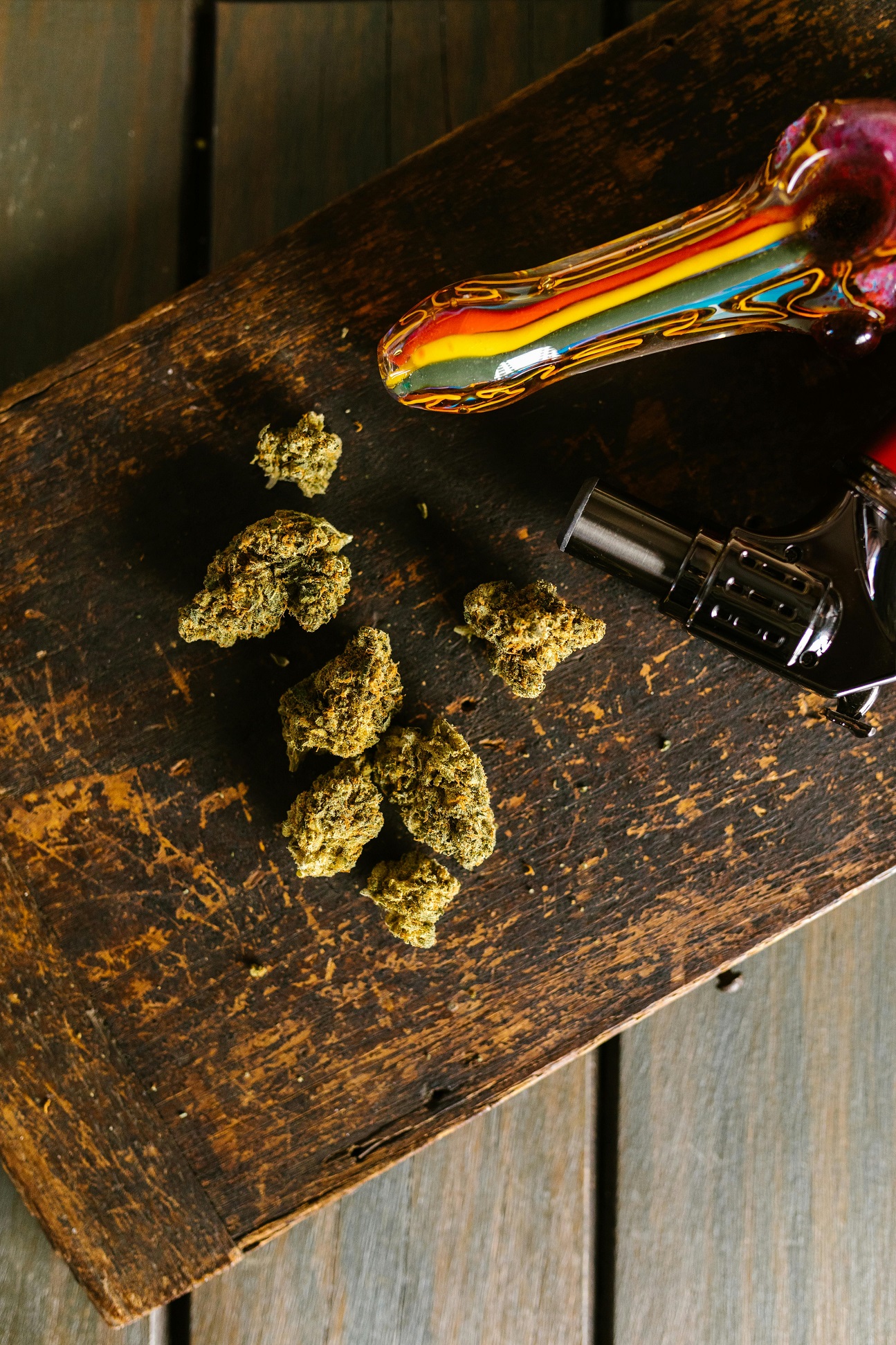
Understanding Cannabis: More Than Just THC
When people talk about cannabis, they are often referring to the psychoactive compound THC (tetrahydrocannabinol). However, the plant is far more complex than a single component. It contains over 100 different compounds known as cannabinoids, each with unique properties.
Key Cannabinoids
- THC (Tetrahydrocannabinol): This is the primary psychoactive compound in cannabis, responsible for the “high” or feeling of euphoria. It interacts with the brain’s reward system, releasing dopamine and altering perception, mood, and consciousness.
- CBD (Cannabidiol): Unlike THC, CBD is non-psychoactive. It has gained immense popularity for its potential therapeutic benefits, including reducing anxiety, inflammation, and pain without causing intoxication. It can also counteract some of the less desirable effects of THC.
- CBN (Cannabinol): Often found in aged cannabis, CBN is mildly psychoactive but is mostly known for its potential sedative effects. Research is exploring its use as a sleep aid and for pain relief.
Terpenes and the Entourage Effect
Beyond cannabinoids, cannabis contains aromatic compounds called terpenes. These are responsible for the plant’s distinct smells, from citrus and pine to earthy and floral notes. Terpenes do more than just provide aroma; they also work with cannabinoids to produce specific effects. This synergistic relationship is known as the “entourage effect,” where the combined action of all compounds is greater than the sum of their individual parts.
The Many Uses and Potential Benefits of Cannabis
Cannabis has been used for medicinal, recreational, and industrial purposes for centuries. Modern research is beginning to catch up with anecdotal evidence, providing scientific support for a range of applications.
Medical Applications
One of the most significant areas of cannabis research is its medical potential. Many patients use medical cannabis under the guidance of a healthcare professional to manage various conditions.
- Chronic Pain Management: Cannabis is widely used to alleviate chronic pain from conditions like arthritis, multiple sclerosis, and neuropathy. Both THC and CBD have analgesic properties that can help reduce discomfort.
- Mental Health Support: CBD, in particular, has shown promise in managing symptoms of anxiety, PTSD, and depression. It may help regulate mood and reduce the stress response without the side effects associated with some pharmaceutical drugs.
- Nausea and Appetite Stimulation: For patients undergoing chemotherapy, cannabis can be effective in reducing nausea and vomiting. It can also stimulate appetite, helping to combat weight loss and wasting syndrome.
- Neurological Disorders: Research has indicated that cannabis may help control seizures in certain forms of epilepsy, such as Dravet syndrome and Lennox-Gastaut syndrome.
Wellness and Recreational Use
Beyond medical treatment, many people incorporate cannabis into their wellness routines or use it for recreation.
- Stress Relief and Relaxation: After a long day, some people use cannabis to unwind and de-stress. The calming effects can help quiet a racing mind and promote a sense of well-being.
- Enhanced Creativity and Focus: Certain cannabis strains are reported to enhance creativity and focus. Artists, writers, and musicians sometimes use it to find new perspectives and break through creative blocks.
- Social Enjoyment: In social settings, cannabis can act as a social lubricant, similar to alcohol. It can help lower inhibitions and make social interactions more enjoyable for some individuals.
Navigating the Legal Landscape
The legality of cannabis is one of its most complicated aspects. Laws vary dramatically between countries and even between states or provinces within the same country. Understanding these rules is essential to avoid legal trouble.
Federal vs. State Law in the U.S.
In the United States, cannabis remains classified as a Schedule I controlled substance at the federal level. This means the federal government considers it to have a high potential for abuse and no accepted medical use. However, a growing number of states have legalized it for medical or recreational use. This creates a direct conflict between federal and state law, leading to a complex and often confusing legal environment for consumers and businesses.
Types of Legalization
- Recreational Use: In states with recreational legalization, adults (typically 21 and over) can purchase, possess, and consume cannabis within specified limits. Examples include California, Colorado, and New York.
- Medical Use Only: Many states permit the use of cannabis for medical purposes only. To access it, patients must obtain a recommendation from a licensed physician and register with the state’s medical cannabis program.
- CBD or Low-THC Only: Some jurisdictions have very restrictive laws, only allowing products with high CBD and very low THC content.
- Fully Illegal: In some states, all forms of cannabis remain illegal for any purpose.
Always check the specific laws in your current location before purchasing or possessing any cannabis products. Traveling with cannabis across state lines, even between two legal states, is federally illegal and can lead to serious charges.
What to Consider Before Using Cannabis
If you are considering using cannabis, it’s important to approach it with knowledge and caution.
- Start Low and Go Slow: This is a common mantra in the cannabis community. If you are new to cannabis, begin with a very small dose and wait to see how it affects you before consuming more. Edibles, in particular, can have delayed and potent effects.
- Know Your Source: Purchase cannabis from licensed, reputable dispensaries. These sources are required to test their products for potency and contaminants, ensuring you get a safe and accurately labeled product.
- Understand the Risks: While cannabis has many potential benefits, it is not without risks. Possible side effects include impaired coordination, short-term memory loss, anxiety, and paranoia, especially with high doses of THC.
- Consult a Professional: If you are considering cannabis for a medical condition, talk to a doctor or healthcare provider who is knowledgeable about its use. They can help you determine if it’s an appropriate option and guide you on dosage and product selection.
Conclusion
The world of cannabis is vast and multifaceted, offering a range of potential benefits from medical relief to personal wellness. As research continues to uncover the complexities of cannabinoids and terpenes, our understanding of the plant’s capabilities will only grow. However, the shifting legal landscape requires careful attention. By educating yourself on the uses, benefits, and local laws, you can make informed and responsible decisions about cannabis.