

In the world of controlled substances, both cannabis and cocaine have gained significant attention for various reasons, including their societal, economic, and legal implications. While cannabis has increasingly become accepted for medicinal and recreational use in many parts of the world, cocaine continues to face strict regulations due to its potent addictive properties. Despite their differences, both of these substances are available in the online market to buy cocaine online market and, in some cases, are intertwined in the broader landscape of drug sales, especially in the context of online markets. But what exactly is the relationship between cannabis and cocaine, and how do online markets impact their distribution? Let’s take a closer look.
The Rise of Cannabis in Legal Markets
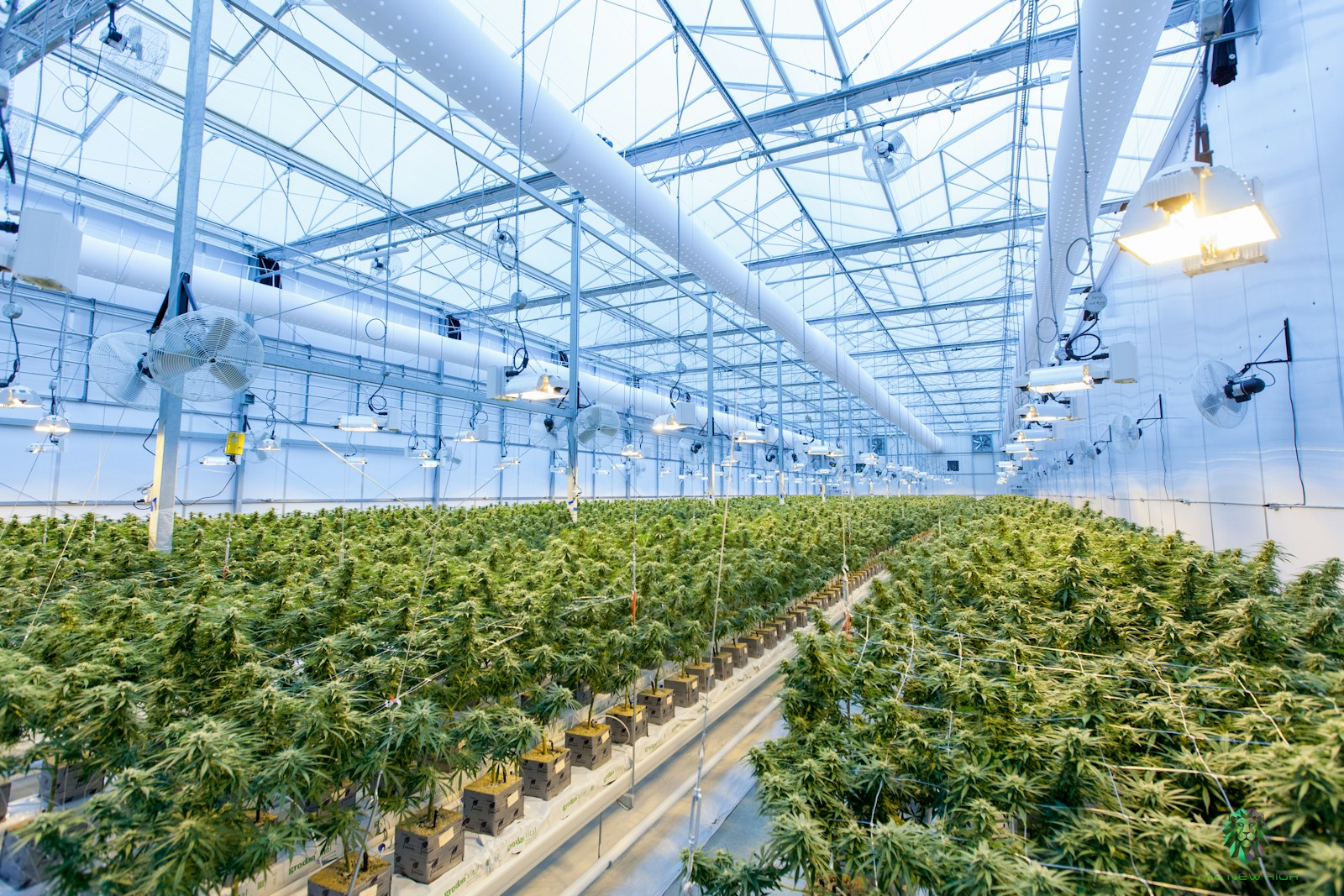
Cannabis has long been a controversial substance. However, in recent years, it has become increasingly accepted in both medicinal and recreational contexts, especially in countries like Canada, the United States, and parts of Europe. As of now, cannabis is legal for recreational use in over 20 U.S. states, while medicinal cannabis has been legalized in more than 30 states. This shift is largely due to its perceived health benefits and lower risks compared to other illicit substances.
Studies have shown that cannabis can help alleviate symptoms of chronic pain, anxiety, and even nausea, making it a valuable treatment option for a range of conditions. Additionally, many individuals argue that the legal cannabis market creates job opportunities, generates tax revenue, and reduces the burden on the criminal justice system.
With the rise in cannabis legality, an online market has also emerged. Various platforms now provide legal access to cannabis for medicinal and recreational users. These markets are carefully regulated to ensure the quality and safety of the products being sold. Unlike the illicit online markets that still cater to drugs like cocaine, the legal cannabis market is subject to stringent quality control and oversight.
The Cocaine Online Market: A Risky and Illicit Arena
On the other side of the spectrum lies cocaine, a powerful stimulant derived from the coca plant. Known for its high potential for abuse, addiction, and significant health risks, cocaine remains an illegal substance in most parts of the world. Despite the ongoing fight against drug trafficking and distribution, cocaine continues to be sold on illegal platforms.
The illicit online market for cocaine operates largely in the shadows, with buyers and sellers relying on encrypted communication and dark web marketplaces to conduct transactions. These platforms are not regulated by any government and often serve as an avenue for illegal activity, including the sale of other drugs like methamphetamines and heroin. Law enforcement agencies worldwide are working tirelessly to track and dismantle these illegal online markets, but the anonymity provided by the internet continues to make it a challenging task.
One of the most significant dangers of the cocaine online market is the risk of purchasing adulterated or counterfeit drugs. Since these substances are unregulated and not subject to safety checks, buyers can unknowingly purchase products that may be cut with dangerous substances, leading to severe health consequences.
Comparing the Markets: Cannabis vs. Cocaine
Despite the rise in legal cannabis markets, there are still undeniable similarities between the cannabis and cocaine online markets. Both substances are sold through online platforms, with users often seeking these substances for their perceived benefits. However, the key difference lies in the legal and regulatory frameworks surrounding each substance.
As mentioned earlier, cannabis is becoming more widely accepted and legal in many areas, providing a safer, more regulated environment for users. In contrast, cocaine remains illegal and unregulated in most countries, making its online sale highly dangerous and fraught with risks. While cannabis is often considered a “gateway” drug by critics, it generally poses fewer immediate health risks than cocaine, which can cause severe cardiovascular and neurological damage, along with a high potential for addiction.
Additionally, while both cannabis and cocaine can be found in online markets, the cannabis market is generally much more regulated. Governments around the world are implementing measures to control the quality, distribution, and sale of cannabis products, ensuring they meet strict safety standards. In contrast, the cocaine online market remains a wild west of illegal transactions, where users are often unaware of what they are truly buying.
The Role of Online Drug Markets in Shaping Global Drug Culture
The rise of online drug markets has been a significant factor in the global drug culture. These markets allow individuals to access illicit substances like cocaine and cannabis with just a few clicks. They have fundamentally changed how drugs are purchased, distributed, and consumed, bypassing traditional street-level dealers and moving into the digital realm.
For cannabis, this digital revolution has helped create a safer, more legal market, where users can find information, reviews, and a variety of products. For cocaine, however, the online market has exacerbated the global issue of illegal drug trade and addiction. Users who purchase cocaine through these illegal online channels are often unaware of the potential dangers they face, from adulterated substances to legal consequences.
Online drug markets, while providing convenience, have increased the availability and distribution of dangerous substances. This underscores the importance of continued efforts to regulate legal substances like cannabis while cracking down on illegal drugs like cocaine. Governments, law enforcement, and public health organizations must work together to ensure that online drug markets do not become a more significant threat to public safety and well-being.
Conclusion
The relationship between cannabis and cocaine, especially in the context of the online market, highlights the complexities of drug regulation, distribution, and consumption. While cannabis is slowly becoming more accepted and regulated in many parts of the world, cocaine continues to be a dangerous and illegal substance. Online markets for both of these substances reflect the challenges society faces in controlling drug use and distribution in an increasingly digital world.
As more countries move toward legalizing cannabis, it is crucial to continue monitoring and regulating this market to ensure its safety and legitimacy. On the other hand, the fight against the illicit cocaine online market must remain a priority for law enforcement to prevent further harm to individuals and communities worldwide. In this ever-evolving landscape, understanding both substances and their associated markets is essential for shaping future drug policies and ensuring public safety.
For more information on the impacts of the drug trade and efforts to regulate substances, visit the National Institute on Drug Abuse.