

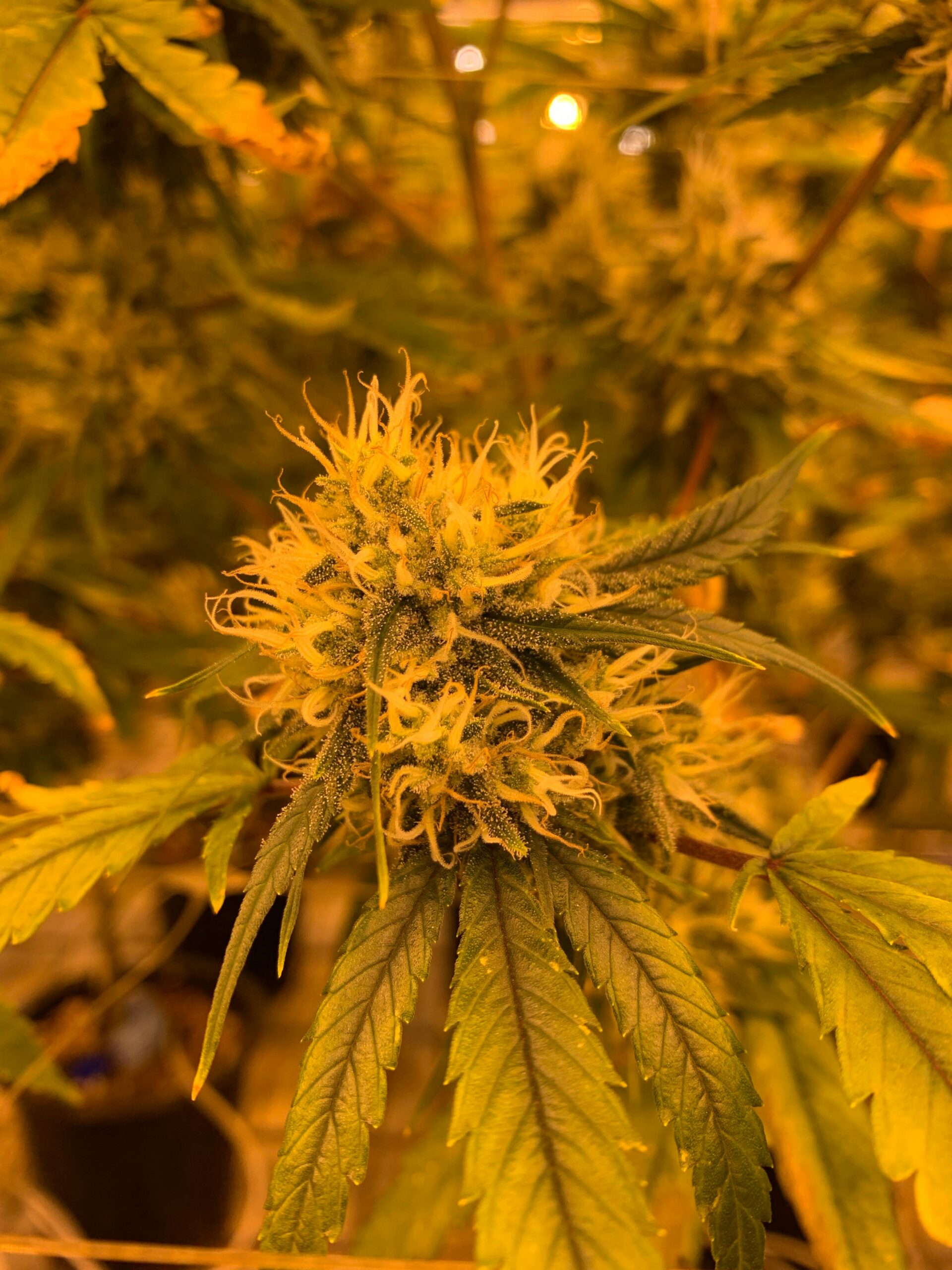
Cannabis has a long and complex history, evolving from a traditional medicine to a modern wellness staple. As laws change and research expands, more people are becoming curious about what this plant can offer.
This guide explores the various uses of cannabis, its potential health benefits, and the important legal landscape you need to navigate. We will provide a clear overview to help you understand this multifaceted plant. Whether you’re exploring cannabis for wellness, recreation, or simply knowledge, this post will cover the essential information.
What is Cannabis?
Cannabis refers to a group of three plants with psychoactive properties: Cannabis sativa, Cannabis indica, and Cannabis ruderalis. The plant contains over 100 compounds called cannabinoids. The two most well-known cannabinoids are Tetrahydrocannabinol (THC) and Cannabidiol (CBD).
- THC is the primary psychoactive compound in cannabis. It is responsible for the “high” or sense of euphoria associated with its use.
- CBD is a non-psychoactive compound. It does not produce a high and is often studied for its potential therapeutic effects, such as reducing anxiety and inflammation.
The concentration of these cannabinoids varies depending on the strain of the plant and how it is cultivated. Products are often categorized based on their THC and CBD content, allowing users to choose effects that align with their goals.
Common Forms of Cannabis
Cannabis can be consumed in many forms, each offering a different experience in terms of onset, duration, and intensity of effects.
- Flower: This is the dried bud of the cannabis plant, which is typically smoked or vaporized. Effects are usually felt within minutes.
- Edibles: These are food products infused with cannabis extracts, such as gummies, chocolates, and baked goods. The effects take longer to appear, usually 30 minutes to two hours, but last longer.
- Tinctures: These are liquid cannabis extracts placed under the tongue. They offer a faster onset than edibles but slower than smoking.
- Topicals: Creams, lotions, and balms infused with cannabis are applied directly to the skin for localized relief of pain or inflammation. They are non-psychoactive.
- Concentrates: These are highly potent extracts like oils, waxes, and shatters. They have a high concentration of THC and are typically vaporized.
Potential Uses and Benefits of Cannabis
Research into the benefits of cannabis is ongoing, but many studies and anecdotal reports suggest it can be beneficial for a range of conditions. Both medical and recreational users turn to cannabis for various reasons.
Medical Applications
Medical cannabis has become a key treatment option for patients dealing with chronic conditions. It is often prescribed when traditional medications are ineffective or cause significant side effects.
Chronic Pain Management
One of the most common uses for medical cannabis is managing chronic pain. Cannabinoids like THC and CBD interact with the body’s endocannabinoid system, which plays a role in regulating pain. Studies suggest cannabis can be effective for neuropathic pain, arthritis, and fibromyalgia.
Mental Health Support
Cannabis is also used to address mental health conditions. CBD, in particular, has gained attention for its potential anxiolytic (anti-anxiety) properties. Some individuals use it to manage symptoms of:
- Anxiety and panic disorders
- Post-traumatic stress disorder (PTSD)
- Depression
- Insomnia and other sleep disorders
It’s important to note that THC can sometimes worsen anxiety in certain individuals, so strain and dosage selection are critical.
Nausea and Appetite Stimulation
For patients undergoing chemotherapy, cannabis can be a valuable tool. THC is known to reduce nausea and vomiting, which are common side effects of cancer treatment. It can also stimulate appetite, helping patients combat weight loss and maintain their strength.
Wellness and Recreational Use
Beyond medical applications, many people use cannabis for general wellness and recreation. They seek its ability to promote relaxation, enhance creativity, and improve social experiences.
- Stress Relief: After a long day, some people find that cannabis helps them unwind and de-stress.
- Enhanced Creativity: Artists, writers, and musicians sometimes use cannabis to break through creative blocks and see things from a new perspective.
- Social Enjoyment: In social settings, cannabis can help lower inhibitions and foster a sense of connection, similar to alcohol but without the hangover for many.
Understanding the Legal Landscape
The legality of cannabis is one of its most confusing aspects. Laws vary dramatically between countries and even between states or provinces within the same country. It is crucial to understand the regulations in your specific location before purchasing or consuming cannabis.
Federal vs. State Laws
In the United States, cannabis remains illegal at the federal level, where it is classified as a Schedule I controlled substance. However, many individual states have passed their own laws to legalize cannabis for medical or recreational use.
- Medical Legalization: In these states, patients with a qualifying condition can obtain a medical cannabis card from a doctor. This card allows them to purchase cannabis products from licensed dispensaries.
- Recreational Legalization: In states with recreational legalization, adults (typically 21 and over) can purchase and possess a certain amount of cannabis for personal use without a medical recommendation.
This conflict between federal and state law creates a complex legal environment. For example, you cannot legally transport cannabis across state lines, even if it is legal in both states.
Key Legal Considerations
When using cannabis legally, you still need to follow specific rules. These often include:
- Age Limits: You must be of legal age (usually 21) to purchase and consume recreational cannabis.
- Possession Limits: Laws restrict the amount of cannabis you can legally possess at one time.
- Consumption Rules: Public consumption is generally illegal. You are typically only allowed to consume cannabis on private property.
- Driving Under the Influence: It is illegal and extremely dangerous to drive under the influence of cannabis. Law enforcement has methods to detect impaired driving.
Always research the specific laws in your area to ensure you are in full compliance.
Choosing the Right Cannabis Product
With so many options available, finding the right product can feel overwhelming. Your choice should depend on your desired effects, experience level, and personal preferences.
Consider Your Goals
What do you want to achieve with cannabis?
- For pain relief, a topical or a 1:1 CBD:THC tincture might be effective.
- For sleep, an indica-dominant strain or an edible may be helpful.
- For social gatherings, a sativa-dominant strain could provide an energizing, euphoric effect.
Start Low and Go Slow
This is the golden rule of cannabis consumption, especially for beginners. Start with a very low dose and wait to see how it affects you before consuming more. This is particularly important with edibles, as their effects can be delayed and intense. Waiting at least two hours before taking another dose of an edible is a safe practice.
Consult with a Professional
If you are considering cannabis for a medical condition, talk to a doctor who is knowledgeable about cannabis therapy. If you are in a location with legal dispensaries, the staff (often called “budtenders”) can be a valuable resource. They are trained to provide guidance on different products and their potential effects.
Final Thoughts
Cannabis is a powerful plant with a wide range of potential uses, from managing serious medical conditions to enhancing everyday life. As societal views and laws continue to evolve, access and understanding will only grow. By educating yourself on its benefits, risks, and legal status, you can make informed and responsible decisions about whether cannabis is right for you. Remember to always prioritize safety, start with a low dose, and stay informed about the laws in your area.